
Federal cannabis policy moved further than it has in decades, and dispensary operators still don't have a final answer. An executive order signed December 18, 2025 directed agencies to speed up rescheduling marijuana from Schedule I to Schedule III under the Controlled Substances Act. By April 23, 2026, the Justice Department and DEA had issued a final order moving FDA-approved and state-licensed medical marijuana products to Schedule III, with a separate administrative hearing process still grinding through briefs and arguments months later.
Why the Process Split in Two
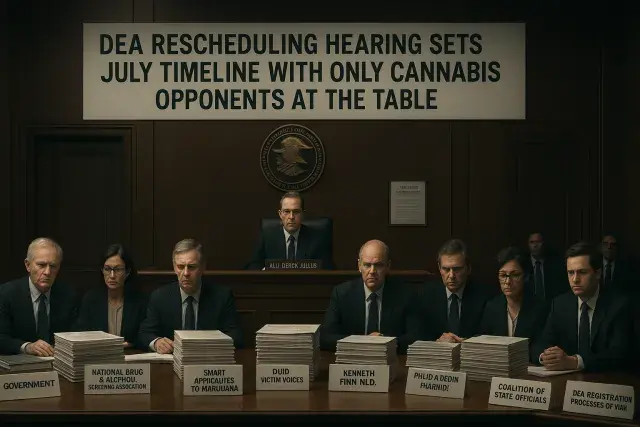
Here's the catch: the DOJ didn't wait for the full rescheduling hearing to conclude before acting. Instead, it used the United States' obligations under the Single Convention on Narcotic Drugs to move medical marijuana products immediately, while withdrawing the prior hearing notice and setting a new, expedited session that ran from late June through July 2026. Post-hearing briefs were due in mid-August. No final order has landed. Most industry watchers now expect one in late 2026 or early 2027, not sooner. For operators who've learned to treat federal cannabis promises with some skepticism, that timeline won't feel surprising.
What Changes for Tax and Research - Eventually
Two mechanisms matter most to the business side: research access and taxation. Schedule I status has long made DEA registration for cannabis research a slow, narrow process, limited to a handful of federally approved cultivators as the sole legal source of study material. Schedule III recognition of accepted medical use opens the door to broader clinical trials and a wider pool of research-grade supply.
On taxes, the bigger story for retail is Section 280E. That provision of the IRS code has long barred state-licensed cannabis businesses from deducting ordinary business expenses - rent, payroll, marketing - because they sell a substance still listed on Schedule I. Move medical marijuana to Schedule III, and 280E stops applying to those state-licensed medical operations. That's a real change to the bottom line for dispensaries operating in medical markets, though it's worth being precise: this is about medical marijuana businesses as the order currently stands, not a blanket fix for the entire adult-use retail sector.
Why the Fight Isn't Over
Opposition has come from both directions, which tells you something about how contested this remains. Groups opposed to marijuana policy broadly have pursued legal action to block the reclassification outright. Other critics argue rescheduling doesn't go far enough - they want full federal legalization for medical and adult-use markets, not a reshuffling within the Controlled Substances Act that still leaves marijuana federally controlled. Neither camp has gained real traction, and the administrative process has continued largely on schedule. Fair enough to say neither side has derailed it, but neither has gone away either.
What Operators Should Actually Do Now
In practice, this is a moment for preparation rather than celebration. Multi-state operators, wholesalers, and brands should be reviewing:
- Accounting structures and cost allocation in anticipation of 280E relief for medical operations
- Compliance documentation and seed-to-sale tracking systems that may need updates once final DEA scheduling rules are published
- Research partnerships and sourcing relationships that could expand once DEA registration requirements ease
- State-level alignment questions, since Schedule III status doesn't automatically resolve conflicts between state licensing regimes and federal law
What's striking here is how little changes for consumer-facing operations in the near term. Age verification, lab testing requirements, compliant packaging, and state-level advertising restrictions all remain governed by state law, not this federal action. Dispensaries shouldn't treat Schedule III as a green light to loosen retail compliance; it isn't one. The rescheduling fight is about federal classification, research access, and tax treatment - not a rewrite of how products get tested, packaged, or sold at the counter.