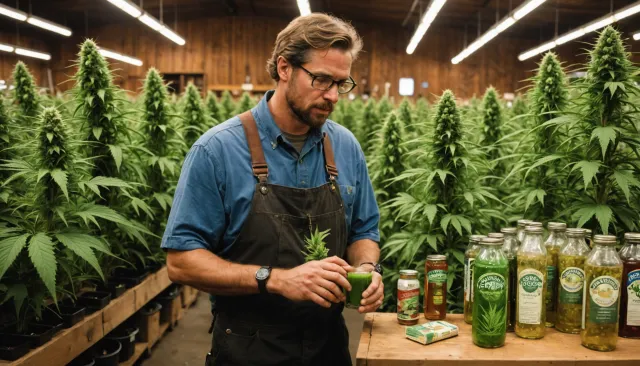
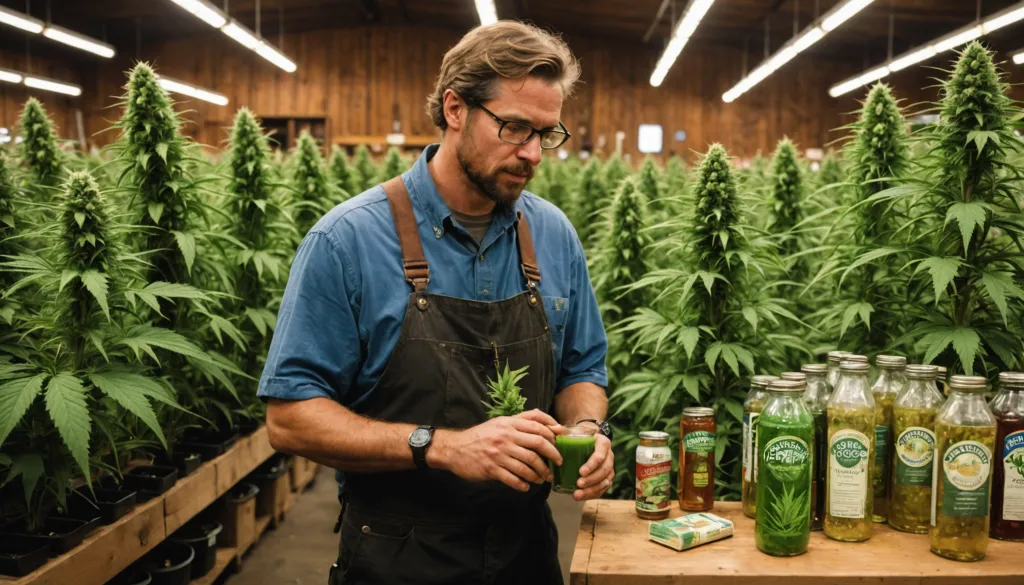
A federal deadline set for December could reshape how hemp-derived products are sold across Pennsylvania, and a Lancaster County farmer and retailer says the stakes go well beyond his own shelves. Jake Sitler, founder of the hemp brand Endo and president of the Pennsylvania Hemp and Cannabis Guild, is opening storefronts in Lancaster and Marietta even as Congress weighs tighter restrictions or an outright ban on the hemp-derived cannabinoid products that have driven a fast-growing segment of the state's agricultural and retail economy.
The regulatory uncertainty traces back to a loophole in federal law that let hemp businesses sell products containing Delta 9 THC - the intoxicating cannabinoid typically associated with adult-use cannabis - so long as the total THC concentration stayed under a legal threshold by dry weight. That loophole, opened by the 2018 farm bill, is exactly what Congress recently moved to close, and it's what Pennsylvania Attorney General Dave Sunday has flagged as his core concern: products reaching consumers with little of the oversight that licensed cannabis operators already build into their businesses. Hemp retailers, unlike state-licensed dispensaries, generally haven't operated under the same compliance architecture - no mandatory seed-to-sale tracking, no state-run METRC reporting, and in many cases no uniform requirement for a dispensary management system california-style operators rely on to log batch testing, verify certificates of analysis, and flag inventory discrepancies before product reaches a shelf. dispensary management system california
Why Regulators Call It the Wild West
That comparison isn't rhetorical flourish. Licensed cannabis retailers in states with mature adult-use or medical programs operate under license caps, mandatory lab testing, compliant packaging rules, and excise tax structures that hemp sellers have largely avoided simply because federal law classified their products differently. A gas station selling a THC-infused beverage next to energy drinks faces none of the age-verification infrastructure, COA disclosure requirements, or point-of-sale compliance logging that a state-licensed dispensary must maintain. Lawmakers pushing for tighter rules argue that gap has let intoxicating products reach minors with far less friction than a regulated dispensary transaction would allow.
Sitler doesn't dispute that some bad actors exist. "There is a group of business owners doing this responsibly," he said, pointing to his own practice of posting 21-and-older signage at his stores. But he argues a blanket ban would punish compliant operators and hemp farmers alongside the operators regulators are actually worried about - collapsing a supply chain that includes cultivation, extraction, formulation, and retail distribution in one legislative stroke.
What a Federal Ban Would Mean for the Supply Chain
For farmers, a ban threatens contracted acreage and wholesale pricing agreements built around hemp as a rotational crop. For retailers, it would mean pulling SKUs, unwinding vendor relationships, and potentially absorbing inventory losses on products that become federally unsellable overnight. Multi-product operators who've diversified into CBD topicals, gummies, and beverages containing minor cannabinoids would face the same kind of abrupt compliance whiplash that licensed cannabis operators know from 280E tax exposure and shifting banking access - except with less regulatory infrastructure already in place to absorb the shock.
- Federal deadline for new hemp rules: December
- Key legal issue: closing the loophole allowing Delta 9 THC in hemp products
- Estimated Pennsylvania hemp industry value: roughly one billion dollars annually
- Primary regulatory concern: lack of consistent age verification and testing oversight
Sitler's advocacy through the Pennsylvania Hemp and Cannabis Guild is aimed at a middle path - real regulation, not elimination. Whether Congress or Harrisburg lands there before the December deadline will determine whether Pennsylvania's hemp sector operates more like licensed cannabis retail, with its testing mandates and tax burdens, or loses its market altogether.