
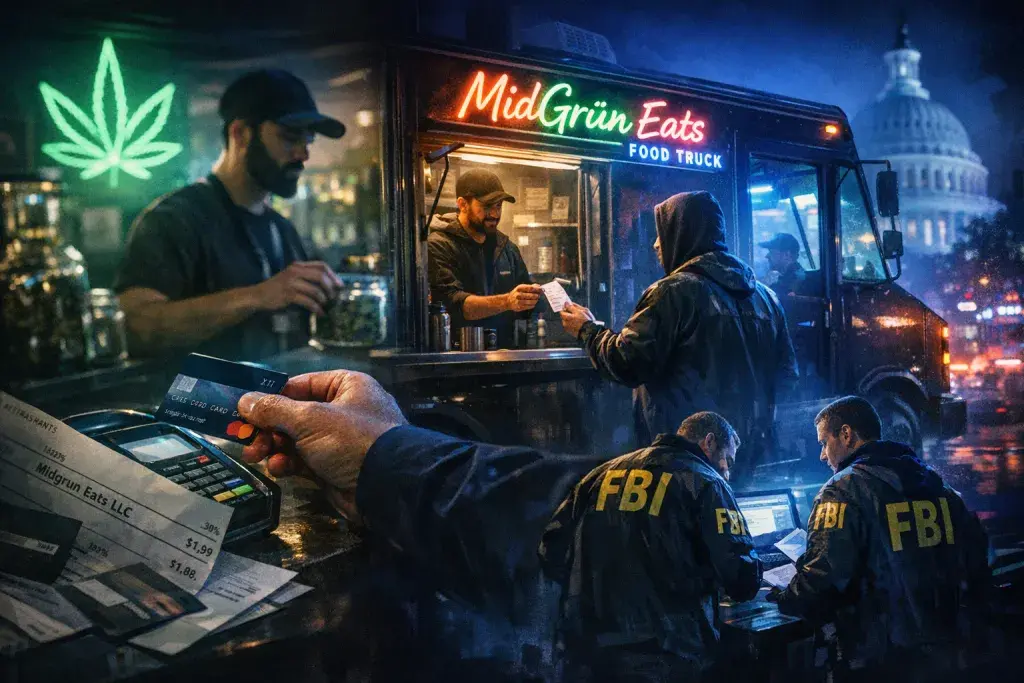
A Midtown marijuana dispensary called Blüm processes credit card payments that appear on statements as purchases from "Midgrun Eats LLC food truck." This disguise enables rare credit card acceptance in Nevada's cash-dominated cannabis industry, where federal banking restrictions typically block such transactions. Experts describe the tactic as a risky workaround that boosts convenience and sales but invites legal scrutiny.
Skirting Federal Barriers with a Clever Facade
Marijuana remains a Schedule I substance under federal law, equivalent to heroin, forcing banks—federally insured and regulated—to shun cannabis businesses. Credit cards, processed through these banks, stay off-limits for most dispensaries, leaving them cash-only or limited to debit cards and ATMs via third-party systems. Blüm sidesteps this by rebranding transactions as food truck buys, a method confirmed across its six Nevada and California locations but absent at other Washoe County dispensaries.
Jeremy Skaff, vice president of sales at Colorado-based Journey Business Solutions, calls it "not even back door, it's more like an upper window." His firm advises cannabis operators nationwide on finances, noting that such fronts provide a competitive edge. "No one carries cash anymore," Skaff says, adding that more payment options draw more customers. Cannabis advocate Will Adler agrees, highlighting credit card rewards and convenience as profit drivers.
Legal Risks and Money Laundering Concerns
Las Vegas banking attorney Candace Carlyon warns that misrepresenting cannabis sales—federal felonies—creates a "terrible situation." Disguising funds adds another felony layer under money laundering laws, which target concealment of illegal proceeds' nature or source. While strip clubs might mask as flower shops, both remain legal; cannabis does not federally.
Blüm, owned by California cannabis firm Terra Tech, risks fines or federal probes. Nevada's U.S. Attorney Nicholas Trutanich affirmed in June his duty to enforce federal law. His office neither confirms nor denies investigating Blüm, per spokeswoman Trisha Young. State tax rules impose no credit card bans, but federal exposure persists.
Cannabis Finance Struggles Persist
Skaff has witnessed similar tactics in Colorado since 2014 legalization, though he avoids recommending them. U.S. Treasury data shows 633 institutions banking cannabis firms by early this year, up from over 400 in early 2018, per Marijuana Business Daily analysis—yet based on suspicious activity reports, not firm counts. Credit unions, uninsured federally, lead uptake but cap clients, creating three-month waits.
Low-risk alternatives include debit, ATMs, and gift cards, none needing banks. "The fourth way is to do things under the table," Skaff says. Blüm recently settled a fraud and elder abuse lawsuit with former owner Heidi Loeb Hegerich for $6.3 million. Customers face minimal chargeback risks from such practices.