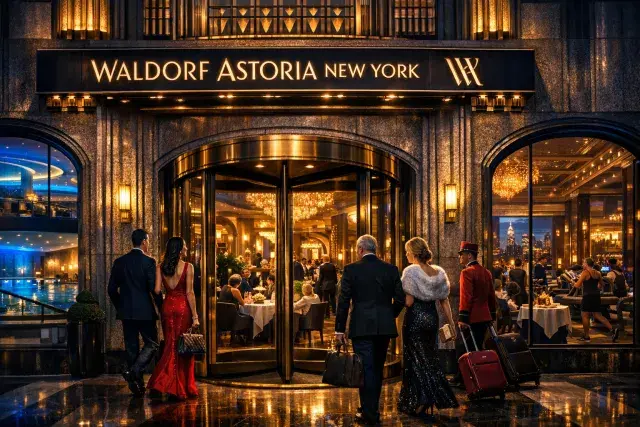
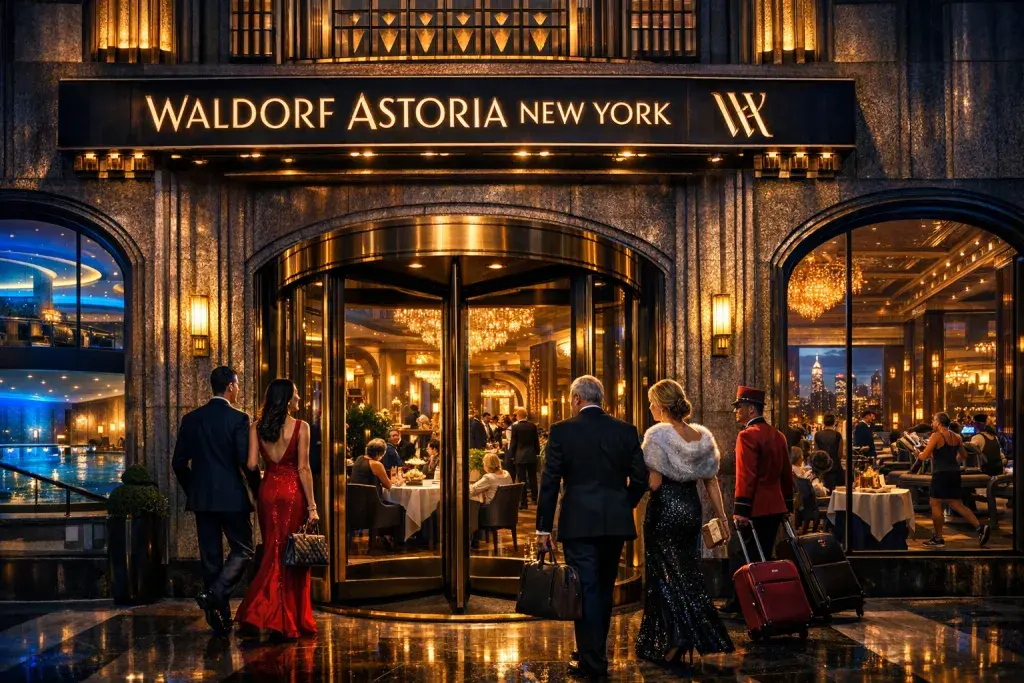
In a milestone for luxury hospitality, Hilton has unveiled the revitalized Waldorf Astoria New York, marking it as one of the major hotels opened so far this year in the heart of Manhattan. This iconic property's return after years of renovation signals a robust resurgence in high-end travel amid post-pandemic recovery, promising to redefine upscale stays for discerning guests worldwide.
Reviving a Legendary Icon
The Waldorf Astoria New York, first established in 1931 on Park Avenue, has long epitomized Art Deco grandeur and celebrity allure, hosting presidents, royalty, and cultural luminaries. Closed since 2017 for a comprehensive overhaul, its reopening underscores Hilton's commitment to preserving heritage while infusing modern luxury. This move aligns with a broader trend where historic hotels adapt to contemporary demands, blending nostalgia with sustainability-focused designs.
Key Upgrades and Guest Experiences
The redesigned property now features 375 elegantly appointed rooms and suites, expansive wellness facilities including a signature spa, and elevated dining options led by Michelin-starred concepts. Highlights include:
- Restored Peacock Alley for afternoon tea and social gatherings
- A 10,000-square-foot fitness center with personalized training
- State-of-the-art meeting spaces accommodating up to 1,000 guests
- Sustainable initiatives like energy-efficient systems and locally sourced materials
These enhancements cater to the rising demand for experiential luxury, where travelers seek immersive, wellness-oriented escapes over mere accommodations.
Hilton's Strategic Expansion
This launch is part of Hilton's aggressive pipeline, with over 20 new properties opened globally this year alone, targeting key markets like New York to capture rebounding leisure and business travel. Compared to competitors such as Marriott and IHG, Hilton's focus on iconic brands like Waldorf Astoria positions it to gain market share in the ultra-luxury segment, projected to grow 7% annually through 2028 per industry forecasts. Factors driving this include surging international tourism and a shift toward hybrid work lifestyles favoring premium urban retreats.
Implications for Luxury Hospitality Trends
The Waldorf Astoria's revival highlights how luxury hotels are pivotal in urban economic recovery, boosting local employment and tourism revenue in New York City, which saw 62 million visitors last year. It also reflects broader societal shifts: affluent millennials and Gen Z prioritizing authentic, sustainable luxury amid economic uncertainties. Looking ahead, expect more such reopenings to fuel a renaissance in experiential travel, enhancing cultural vibrancy while addressing overtourism through targeted high-end offerings.