
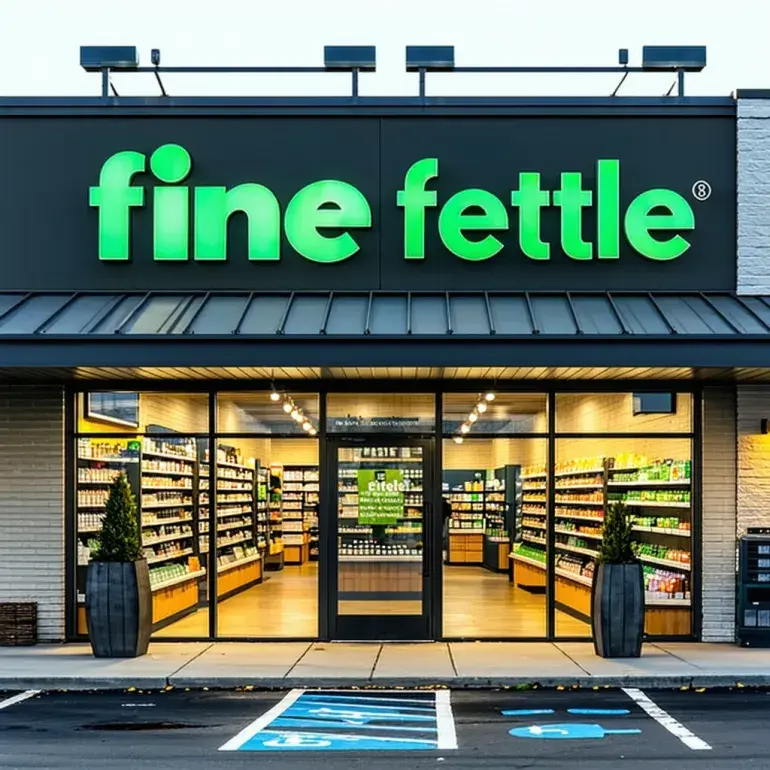
In Hartford, Connecticut, Fine Fettle announced that all nine of its cannabis dispensaries statewide will transition to hybrid facilities starting Thursday, January 15. This shift enables seamless service to both medical patients in the Connecticut Medical Marijuana program and adult-use customers, boosting access while streamlining operations in a maturing cannabis market.
Expansion Details and Operational Enhancements
Fine Fettle's hybrid model builds on recent regulatory updates allowing recreational retailers to serve medical patients. Locations in Manchester, Norwalk, Old Saybrook, Waterbury, and West Hartford will now offer dual services, including remote and in-person consultations with licensed pharmacists—a vital feature of Connecticut's medical program.
- All nine sites fully operational as hybrids from January 15.
- Preserves pharmacist consultations for personalized medical guidance.
- Aims to address regional gaps where medical options have been scarce.
Regulatory Evolution Driving the Change
Connecticut's cannabis landscape has evolved rapidly since adult-use legalization in 2021. New legislation and Department of Consumer Protection (DCP) approvals now permit these conversions, reflecting a push for integrated systems. This mirrors national trends where states like Colorado and California have long operated hybrid dispensaries, improving efficiency and reducing patient wait times by up to 30% in comparable markets.
Benjamin Zachs, Fine Fettle's COO, emphasized the move's alignment with compassionate care: "This allows us to fulfill our mission while strengthening the state's medical program."
Broader Implications for Health Equity and Access
For medical patients, hybrid dispensaries mean fewer travel burdens and more options, particularly in underserved areas—a critical factor as chronic pain, anxiety, and epilepsy drive 70% of Connecticut's medical cannabis registrations. Public health experts note that such models enhance safety through regulated products and professional oversight, mitigating risks from unregulated sources.
Economically, the transition fosters operational synergies, potentially lowering costs passed to consumers. It also signals Connecticut's cannabis industry's maturation, promoting equity by blending recreational revenue with medical priorities amid growing evidence of cannabis's role in opioid reduction and mental health support.
Zachs added, "Patients shouldn’t have to travel far for care," underscoring efficiency and equity as core benefits, with gratitude to legislators and DCP for enabling this progress.