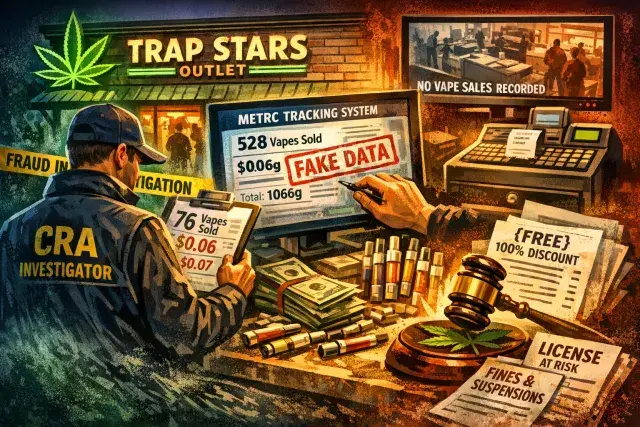

New York cannabis regulators paused the launch of mandatory seed-to-sale tracking on Tuesday, right after BioTrack—its chosen provider—announced a surprise "strategic partnership" with rival Metrc. This delay in the $1.5 billion market underscores growing pains in standardizing compliance tools essential for curbing illicit sales.
The Sudden Partnership and New Entity
The announcement revealed BT Government Inc., a new company taking over BioTrack's government operations, led by BioTrack COO Moe Afaneh. It will operate independently from both BioTrack and Metrc, the dominant track-and-trace providers relied on by states to monitor product from cultivation to sale.
- BioTrack was New York's selected system for seed-to-sale tracking.
- Metrc serves over 20 states, offering scalable RFID tagging and real-time data.
- Deal terms remain undisclosed, fueling speculation about software integration or replacement.
This move aims to consolidate expertise but caught regulators off-guard, halting what was meant to combat New York's vast black market, estimated at $2 billion annually.
Regulatory Pause and Licensee Uncertainty
The Office of Cannabis Management (OCM) issued a bulletin delaying compliance: cultivators were set for August 1, retailers later in fall. The pause allows a "full assessment" amid concerns over sublot tagging costs, which could burden small operators with unsustainable expenses.
Pre-pause confusion was rampant; industry leaders like Mack Hueber of the Empire Cannabis Manufacturers Alliance described operators as "confused and panicked." A Metrc switch, Hueber noted, could resolve key issues like high tagging fees.
Implications for Compliance and Market Integrity
Seed-to-sale systems are pivotal for public safety, enabling recalls, potency verification, and diversion prevention—critical as legal sales hit $1.5 billion in New York. Delays risk prolonging illicit trade, which undermines tax revenue and exposes consumers to untested products.
Broader trends show states racing toward uniformity: Metrc's dominance suggests a de facto standard, potentially lowering costs through scale. Yet, rushed rollouts highlight regulatory unreadiness, echoing challenges in California and Illinois where compliance glitches spiked noncompliance fines.
For New York's 200+ licensees, resolution could streamline operations, but prolonged uncertainty threatens scaling a nascent market amid federal reform pressures.