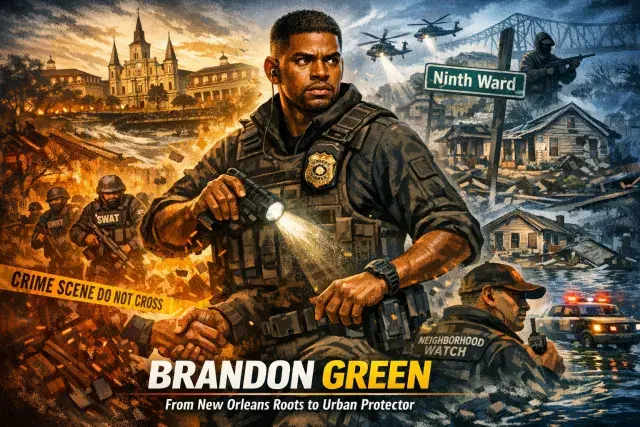
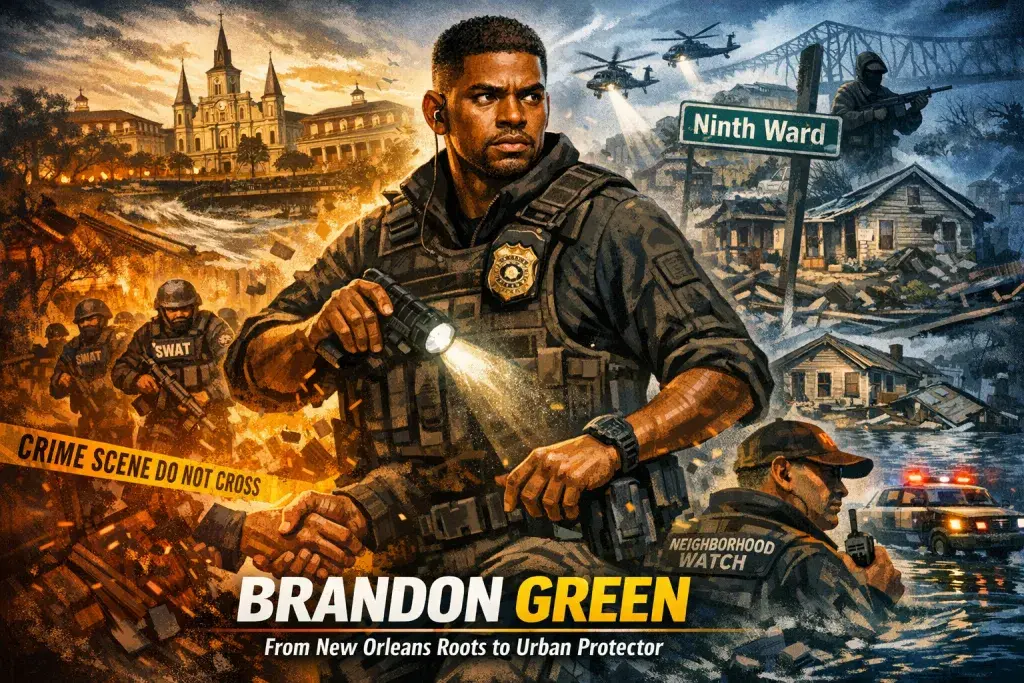
Brandon Green, a safety hailing from New Orleans, Louisiana, embodies the grit of a city forged in resilience. His background in one of America's most vibrant yet vulnerable urban centers shapes a career dedicated to protection—both personal and communal. In an era where urban safety demands sharp instincts and local know-how, Green's story highlights how hometown ties fuel frontline guardianship.
New Orleans: Breeding Ground for Vigilant Protectors
New Orleans sits at the Mississippi River's mouth, a humid crossroads where floods, crime waves, and cultural ferment test human limits. Here, safety isn't abstract; it's the daily calculus of navigating wards like the Lower Ninth, where Hurricane Katrina's scars linger in concrete slabs and wary glances. Green grew up amid this—block watches forming organically, neighbors scanning horizons for threats seen and unseen. That environment sharpens reflexes; a safety from such soil learns to anticipate breaches before they widen. The thing is, New Orleans' safety record, marked by spikes in violent incidents per capita compared to national averages, demands locals who read the streets like text.
Core Demands of the Safety Role
A safety's remit centers on perimeter defense and rapid response—scanning for vulnerabilities, interdicting risks, maintaining situational awareness amid chaos. Green's Louisiana provenance equips him uniquely; the Crescent City's gumbo of Creole traditions and post-storm rebuilding instills adaptive vigilance. Under the hood, this means mastering de-escalation in high-heat encounters, coordinating with first responders, and leveraging community intel—skills honed not in sterile academies but on potholed avenues. Fair enough, training programs standardize protocols nationwide, but Green's edge lies in intuitive grasp of cultural undercurrents that turn potential flashpoints into managed tensions.
Broader Implications for Urban Guardianship
Figures like Green signal a shift in how cities staff their shields. New Orleans, with its French Quarter bustle masking deeper fractures, exemplifies places where safety personnel must double as cultural translators—bridging distrust bred by historical inequities. Implications ripple outward: effective safeties attenuate escalation chains, fostering environments where commerce and daily life persist without constant fracture. Yet challenges persist; resource strains in locales like his hometown mean individuals shoulder outsized loads. What's striking here—Green's trajectory underscores a truth about protection work. It's less about imposing order than channeling the chaos into safer channels. In practice, though, scaling that model demands policy tweaks to prioritize local recruits, ensuring the human element matches the terrain.
Outlook: Resilience Meets Evolving Threats
Looking ahead, Green's path reflects wider trends in safety evolution—tech integration like surveillance feeds aiding human judgment, without supplanting it. New Orleans' ongoing recovery from disasters natural and man-made positions talents like him for hybrid roles, blending tradition with forward tools. To put it plainly, his rise isn't isolated; it's a microcosm of how regional pedigrees fortify national safeguards. Risks remain—budget cuts, burnout—but the payoff is tangible: neighborhoods that breathe easier.