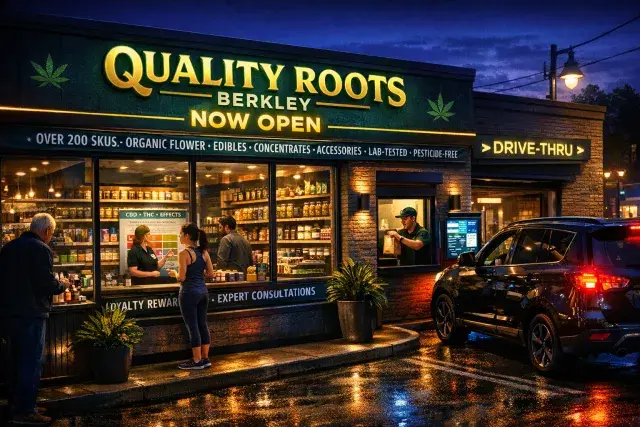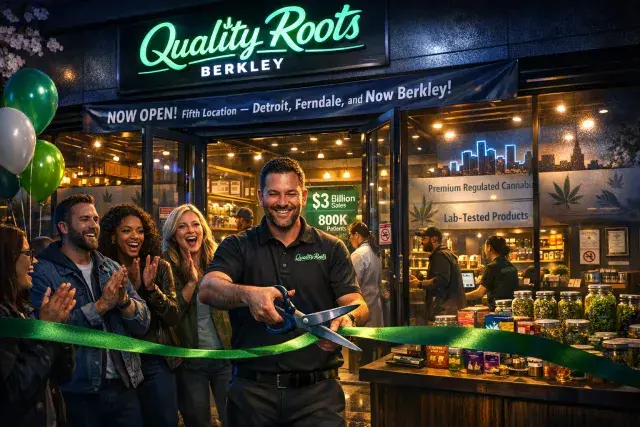
Quality Roots, a trusted name in Michigan's cannabis retail sector, unveiled its latest storefront in Berkley during April 2023. This expansion not only broadens access to premium, regulated cannabis products for Oakland County residents but also underscores the industry's rapid maturation amid rising consumer demand for safe, high-quality options.
Strategic Location in a Thriving Market
Berkley, a vibrant suburb in Oakland County, represents prime territory for cannabis retailers. Michigan's recreational market, legalized in 2018 with adult-use sales launching in 2019, has exploded, generating over $3 billion in total sales by mid-2024. Quality Roots chose this spot to tap into a dense population of discerning consumers seeking alternatives to unregulated sources.
- New Berkley store features a curated selection of flower, edibles, and concentrates from vetted cultivators.
- Emphasis on education, with on-site budtenders trained in product knowledge and consumption guidelines.
- Operates under strict state licensing, ensuring lab-tested products free from contaminants.
Background on Quality Roots' Growth Trajectory
Founded amid Michigan's cannabis boom, Quality Roots has prioritized transparency and potency testing since its inception. Unlike fly-by-night operations, the brand invests in vertical integration, partnering with local growers to maintain supply chain integrity. The Berkley opening marks their fifth location, following successes in Detroit and Ferndale, reflecting a calculated push into suburban markets where wellness trends drive demand.
This aligns with broader shifts: medical cannabis patients, now numbering over 800,000 in Michigan, increasingly overlap with recreational users prioritizing therapeutic benefits like pain relief and anxiety reduction without opioids.
Implications for Public Health and Community
The arrival of Quality Roots in Berkley fosters safer cannabis access, diverting users from black-market risks such as pesticides and fentanyl-laced fakes. Public health experts note regulated retail correlates with fewer ER visits from contaminated products, while tax revenues—topping $500 million annually statewide—fund community programs including substance abuse prevention.
Looking ahead, expect intensified competition spurring innovation in sustainable packaging and strain diversity. For Berkley residents, this signals normalized integration of cannabis into lifestyle choices, from relaxation aids to creative enhancers, as stigma fades and evidence-based benefits gain traction.